
The Post Office IFSC Code is a common search term used by people who want to transfer money to or from a bank account connected with India Post. However, it is important to understand that Post Office Savings Bank (POSB) and India Post Payments Bank (IPPB) are different banking services, and their banking details should not be confused.
The IFSC code is an 11-character alphanumeric code used to identify a particular bank branch for electronic fund transfers such as NEFT and RTGS.
For customers looking for a Post Office-related IFSC code, the first step is to identify which banking service and account they have.
What Is an IFSC Code?
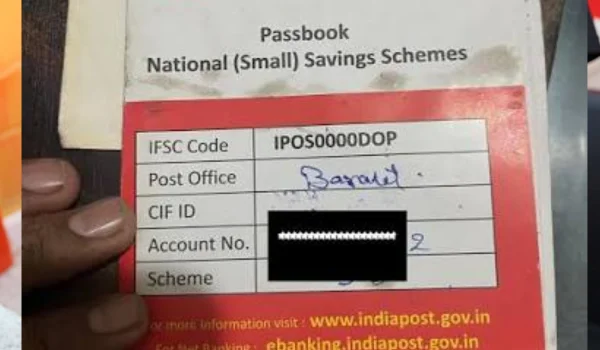
IFSC stands for Indian Financial System Code.
It is an 11-character code used by the banking system to identify a specific bank branch for electronic money transfers.
A typical IFSC code looks like this:
AAAA0XXXXXX
The code generally contains:
- First 4 characters: Bank code
- Fifth character: Usually 0
- Last 6 characters: Branch identification code
For example, an IFSC code may look like:
ABCD0123456
The example above is only for explaining the format and is not an actual banking IFSC code.
Does Every Post Office Have an IFSC Code?
No, you should not assume that every Post Office has its own IFSC code.
This is because a Post Office is not automatically the same thing as a bank branch. India Post provides different financial services, including Post Office Savings Bank services and India Post Payments Bank services.
Therefore, if a form asks for an IFSC code, you should first determine whether the account is:
- A bank account with India Post Payments Bank (IPPB), or
- A Post Office Savings Bank account, or
- An account with another bank linked to a Post Office-related service.
Using an incorrect IFSC code can cause a transaction to fail or be directed incorrectly.
India Post Payments Bank IFSC Code
India Post Payments Bank (IPPB) is a payments bank established by the Department of Posts.
IPPB provides banking services through its network of post offices and other access points.
For an IPPB account, customers should use the current IFSC details provided by IPPB for the specific transaction and service.
Because banking information can be updated, it is better to verify the IFSC code from the official IPPB website, mobile banking application, account documents or customer support before making a transfer.
Post Office Savings Bank IFSC Code
The Post Office Savings Bank (POSB) is different from India Post Payments Bank.
POSB includes Post Office savings products such as:
- Savings Account
- Recurring Deposit
- Time Deposit
- Monthly Income Account
- Public Provident Fund
- National Savings Certificate
- Kisan Vikas Patra
- Senior Citizens Savings Scheme
Not every POSB account should be treated like a normal bank account with a conventional branch-level IFSC code.
If you need to transfer money to a Post Office savings account, confirm the exact payment procedure with the concerned Post Office or Department of Posts.
How to Find the Correct Post Office IFSC Code?
If you need an IFSC code for a Post Office-related account, follow these steps:
Step 1: Identify Your Account Type
First check whether your account is:
- IPPB account
- Post Office Savings Bank account
- Another bank account
Step 2: Check Your Account Documents
Look at your:
- Passbook
- Account statement
- Cheque book, if applicable
- Banking application
- Account-opening documents
The relevant banking details may be available there.
Step 3: Check the Official Website
For IPPB-related banking information, use the official India Post Payments Bank website.
For Post Office savings services, use the official Department of Posts website.
Step 4: Contact the Post Office
If you are still unsure, visit the Post Office where your account or service is maintained.
Ask the staff for the correct banking details for your specific account before initiating a transfer.
Post Office IFSC Code for NEFT
NEFT stands for National Electronic Funds Transfer.
It allows customers to transfer money electronically between participating bank accounts.
An IFSC code is used to identify the destination bank branch in an NEFT transaction.
If you are sending money to an IPPB or other eligible bank account connected with a Post Office service, enter the IFSC exactly as provided by the relevant bank.
Do not use an IFSC code found on an unrelated website without checking it first.
Post Office IFSC Code for RTGS
RTGS means Real Time Gross Settlement.
It is used for eligible electronic fund transfers between participating banks.
If an RTGS transaction requires an IFSC code, use the current IFSC provided by the receiving bank.
Whether a particular Post Office-related account can receive funds through RTGS depends on the account and banking service involved.
Post Office IFSC Code for IMPS
IMPS stands for Immediate Payment Service.
It enables eligible customers to transfer money electronically through participating banks.
If an IFSC is required for your particular transfer, enter the correct code associated with the receiving account.
For IPPB customers, check the current instructions in the official IPPB banking channel before making the transaction.
IFSC Code vs MICR Code
IFSC and MICR are two different banking codes.
| Feature | IFSC Code | MICR Code |
| Full Form | Indian Financial System Code | Magnetic Ink Character Recognition |
| Main Use | Electronic fund transfers | Cheque processing |
| Length | 11 characters | Generally 9 digits |
| Used For | NEFT, RTGS and other electronic transfers | Cheque clearing |
| Identifies | Bank and branch | Bank/branch and location information |
Do not enter a MICR code when a form specifically asks for an IFSC code.
Is Post Office IFSC Code the Same as Bank IFSC Code?
An IFSC code is a banking identification code, but not every Post Office location operates as a conventional bank branch.
This is why customers should not search for a generic “Post Office IFSC Code” and use the first code they find.
Instead, identify the exact financial service and account first.
For example:
IPPB account → Check IPPB banking details
POSB account → Check the applicable Department of Posts process
Private/Public Sector Bank account → Use the IFSC of that specific bank branch
How to Check IFSC Code Online?
You can verify an IFSC code through reliable sources such as:
- Official bank website
- Official IPPB website
- Bank mobile application
- Internet banking
- Account statement
- Passbook
- Official banking customer support
The safest option is to verify the code immediately before making a large transfer.
Why Is the Correct IFSC Code Important?
Entering the correct IFSC code is important because the code helps identify the destination bank and branch during an electronic transfer.
An incorrect code may result in:
- Transaction failure
- Transfer delay
- Money being returned
- Additional verification requirements
- Difficulty in tracking the transaction
Always check the beneficiary’s bank name, account number and IFSC code before confirming a transfer.
Common Mistakes When Searching for Post Office IFSC
People often make these mistakes:
- Assuming Every Post Office Has an IFSC
A Post Office location is not automatically a bank branch with its own conventional IFSC.
- Confusing IPPB With POSB
India Post Payments Bank and Post Office Savings Bank are different services.
- Using an Old IFSC Code
Banking information can change. Always verify the current code.
- Copying a Code From an Unofficial Website
Third-party websites may contain outdated information.
- Confusing IFSC With MICR
These codes have different purposes and formats.
What Information Do You Need to Find an IFSC Code?
Usually, you may need information such as:
- Bank name
- Branch name
- City
- State
- Account type
For an IPPB account, your account or official banking channel can help you identify the applicable banking details.
Can I Transfer Money to a Post Office Account Using IFSC?
It depends on the type of Post Office account and the applicable banking facility.
Do not assume that every Post Office savings account can receive a standard bank transfer using an IFSC code.
If you are unsure, contact the concerned Post Office or check the official instructions for your account.
Post Office IFSC Code for Online Payment
If an online form asks for:
- Bank Name
- Account Number
- IFSC Code
- Branch Name
and you want to enter details related to a Post Office account, first confirm which account is being used.
For an IPPB account, use the banking information applicable to that IPPB account.
For a POSB account, confirm the permitted electronic payment process with the Department of Posts.
Official Websites for Verification
For reliable information, use official sources rather than random IFSC-code websites.
Department of Posts: https://www.indiapost.gov.in/
India Post Payments Bank: https://www.ippbonline.com/
These websites can be used to check current information about India Post and IPPB services.
Frequently Asked Questions
- What is the Post Office IFSC Code?
There is no single universal IFSC code for every Post Office. The correct banking details depend on the specific financial service and account.
- Does every Post Office have an IFSC code?
No. A Post Office location should not automatically be treated as a conventional bank branch with its own IFSC code.
- What is the IFSC code used for?
IFSC is used to identify a bank branch during electronic fund transfers such as NEFT and RTGS.
- Is IPPB the same as Post Office Savings Bank?
No. India Post Payments Bank (IPPB) and Post Office Savings Bank (POSB) are separate banking/savings services.
- How can I find the correct IFSC code for my IPPB account?
Check your official IPPB banking information, account documents or the official IPPB website. You can also contact IPPB customer support.
- Can I use a Post Office IFSC code for NEFT?
Only if the relevant account and banking service supports the applicable electronic transfer and the correct IFSC has been provided.
- Can I use the same IFSC for all Post Offices?
No. You should not assume that one IFSC applies to all Post Offices or all Post Office-related accounts.
- What should I do if I enter the wrong IFSC code?
Contact your bank or the relevant financial institution as soon as possible and provide the transaction details. The appropriate action depends on the status of the transfer.
- Is IFSC the same as MICR?
No. IFSC is primarily used for electronic fund transfers, while MICR is primarily associated with cheque processing.
- Where should I verify a Post Office IFSC code?
Use the official Department of Posts, India Post Payments Bank, relevant bank website or your account documents. For account-specific questions, the concerned Post Office or bank can provide the appropriate information.
Conclusion
The term Post Office IFSC Code can be confusing because India Post offers more than one type of financial service. India Post Payments Bank (IPPB) and Post Office Savings Bank (POSB) should not be treated as the same system.
Before making an electronic transfer, identify your account type and verify the current banking details from an official source. This helps avoid failed transactions, delays and incorrect transfers.
For the most accurate information, always check the latest details through the official Department of Posts or India Post Payments Bank channels rather than relying on an old or unofficial IFSC-code list.